Most Australians who sit down with a keno ticket already know the feeling of watching numbers tick past while the coffee goes cold. A jackpot keno betting system guide is less about chasing a miracle and more about understanding how the math, the screen, and the pace actually work before you commit cash. I have spent two decades building slot maths models and patented skill-gaming overlays, and the same discipline applies here: treat the ticket as a priced event, not a wish. If you want a clean starting point for registration and bonus terms, https://heapsowinssignup.com/ lays out the entry steps without the usual clutter.
A disciplined approach focuses on expected value rather than superstition, treating each draw as an independent event governed by probability. You can read more about the mathematical foundations of return rates in this jackpot RTP study. By grounding your strategy in data instead of hope, you manage your bankroll with greater clarity.
Reading the screen before you commit cash
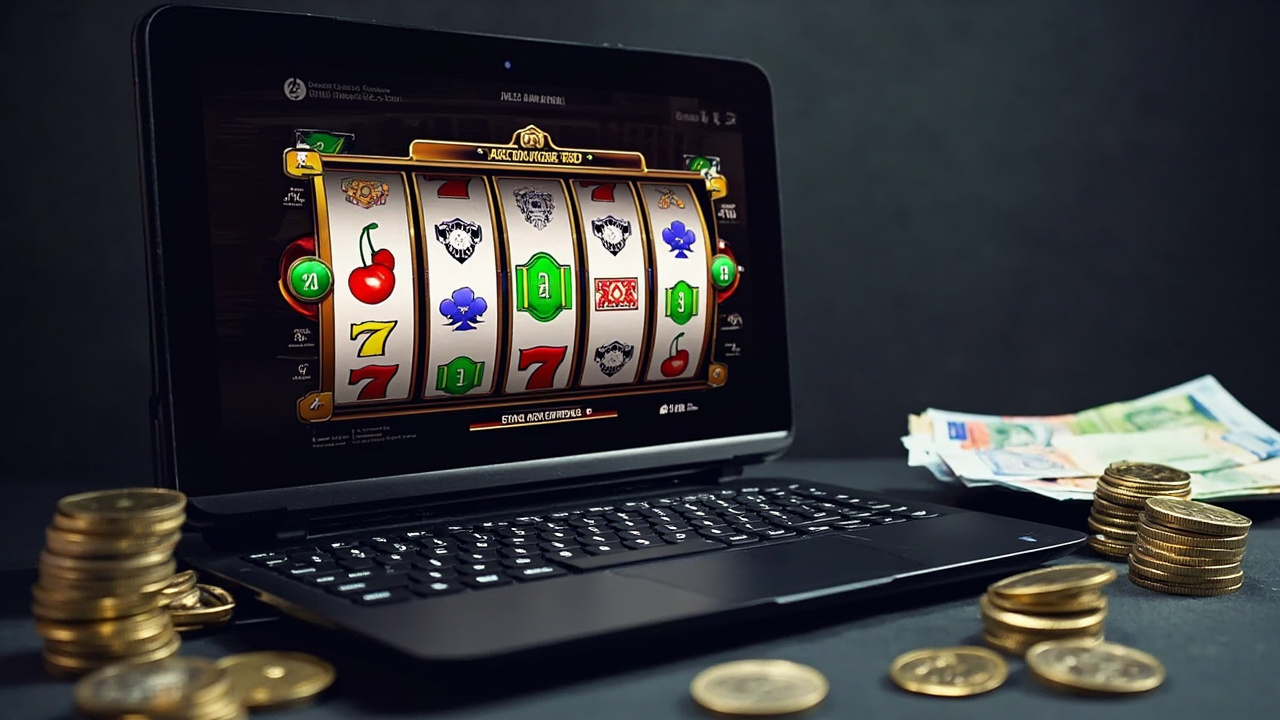
A keno interface rewards patience more than speed, and the first thing I check on any mobile layout is whether the number-picker, bet slider, and paytable stay usable when the phone is shaken in a pocket or held one-handed on a train. Responsive design matters because keno is a pace game: you are reading spots, adjusting coin value, and confirming draws without wanting the controls to jump around. In regional New South Wales, where a lot of play happens on flickering café Wi-Fi or over a backyard barbie, I want the draw animation to load fast and the ticket history to stay visible without extra taps. A designer who has modelled slot volatility knows that a crowded paytable can quietly hide the real hit frequency, so I look for a clear breakdown of how many spots are actually in play at each bet level. When the layout keeps the core actions in a single thumb zone and the performance holds up during a busy arvo session, the game stops feeling like a gimmick and starts behaving like a priced event you can actually read.
How the maths behind the ticket actually works
The numbers on a keno board are not a memory test; they are a probability surface, and a sensible jackpot keno betting system guide starts by separating the advertised prize from the expected return. I have built paytables where the top prize looks enormous until you map the hit rate across every spot count, and keno works the same way: the more numbers you mark, the more the combinatorics shift, and the more the ticket price climbs per draw. That is why I compare the structure to Kangwon Land, the only casino in South Korea where locals may legally gamble – a place where the rules are explicit because the market is tightly contained, not because the maths is generous. Powerball, Saturday Lotto and Oz Lotto are Australia’s biggest draws, and the same expectation-management instinct applies: the headline prize is real, but the path to it is priced. If you want a deeper read on how return-to-player figures are framed for big-prize games, check this piece on Jackpot RTP and What Casino Players Should Check for the caveats that matter before you treat a top prize as a target.
A couple of hands-on betting approaches
There is no system that bends the draw, but there are ways to structure a ticket so the cost and the coverage make sense for the session you actually want. I usually start with a small spot count and a flat coin value, because that keeps the per-draw outlay predictable the full results and lets me watch how the hit pattern behaves before I commit to a heavier card. When I am modelling a game, I treat bet sizing as a risk-control lever, not a progression trick, so I avoid chaining raises after a cold run and instead reset to the base level and let the next draw stand on its own. Aaron Evans, Sports Betting Analyst, Bondi Sports Data, puts it plainly: “Players confuse coverage with expectation; marking more numbers raises the ticket cost faster than it raises the chance of a meaningful hit, so the sensible move is to match the card size to the bankroll you are willing to cycle.” A bookmaker describes one who “makes a book” of bets, and the same mindset helps here – you are pricing a set of outcomes, not inventing a path to the top prize.
| Detail | What it means on the screen |
|---|---|
| Spot count | How many numbers you mark per ticket |
| Coin value | The base price per draw before multipliers |
| Paytable | The prize grid tied to each spot-and-hit combination |
| Draw pace | How quickly new results appear and how often you can play |
| Ticket history | Past cards kept visible for review without extra taps |
Mobile fit, payments, and where support matters
The part of any keno setup that determines whether it stays usable is the mobile fit, because a clunky sign-in flow or a slow balance check will kill a session before the first draw lands. I want registration to be straightforward, the currency to match what I am actually spending, and the payment path to behave consistently rather than promising a frictionless ride it cannot deliver. On the loyalty side, I look for a points or tier structure that rewards regular play without making the terms feel like a maze, and I check support response times because a delayed answer on a pending withdrawal is the difference between a minor hiccup and a frustrating evening. I never assume offshore casino play is licensed or regulated in Australia, so I treat the interface, the payout timing, and the help channel as the real signals of whether a product is worth my time. If the app keeps navigation tight, the performance holds on a phone connection, and the support actually answers, the game earns a place in a session; if not, I move on.
The verdict for a regular keno player
A jackpot keno betting system guide is useful when it keeps you focused on cost, coverage, and screen behaviour instead of the fantasy of a big hit. The maths is what it is, the draw is random, and the only lever you genuinely control is how you size the ticket and how long you stay comfortable playing. If the mobile layout is responsive, the paytable is readable, and the payment and support setup behaves consistently, the game can fit a measured session; if any of those pieces feel loose, the ticket is not worth the cash. For most Australians, the sensible call is to treat keno as a priced leisure event, keep the outlay fixed, and walk away when the session stops being fun.

Leave a Reply
You must be logged in to post a comment.