I spent a Saturday arvo watching a Wollongong RSL floor fill up, and what stuck with me wasn’t the clatter of the pokies – it was how the knockout bracket kept the room buzzing long after the early rounds wrapped. That same rhythm is what a pokies knockout format explained breaks down when you’re trying to understand why certain tournament-style spins hold attention better than a plain spin-and-collect loop. A knockout structure rewards whoever climbs fastest in a short window, not whoever grinds the longest, and that distinction changes how you read volatility, bankroll pacing, and the little design choices that keep a floor – or a digital lobby – feeling alive rather than flat.
How the Knockout Structure Shapes Player Retention
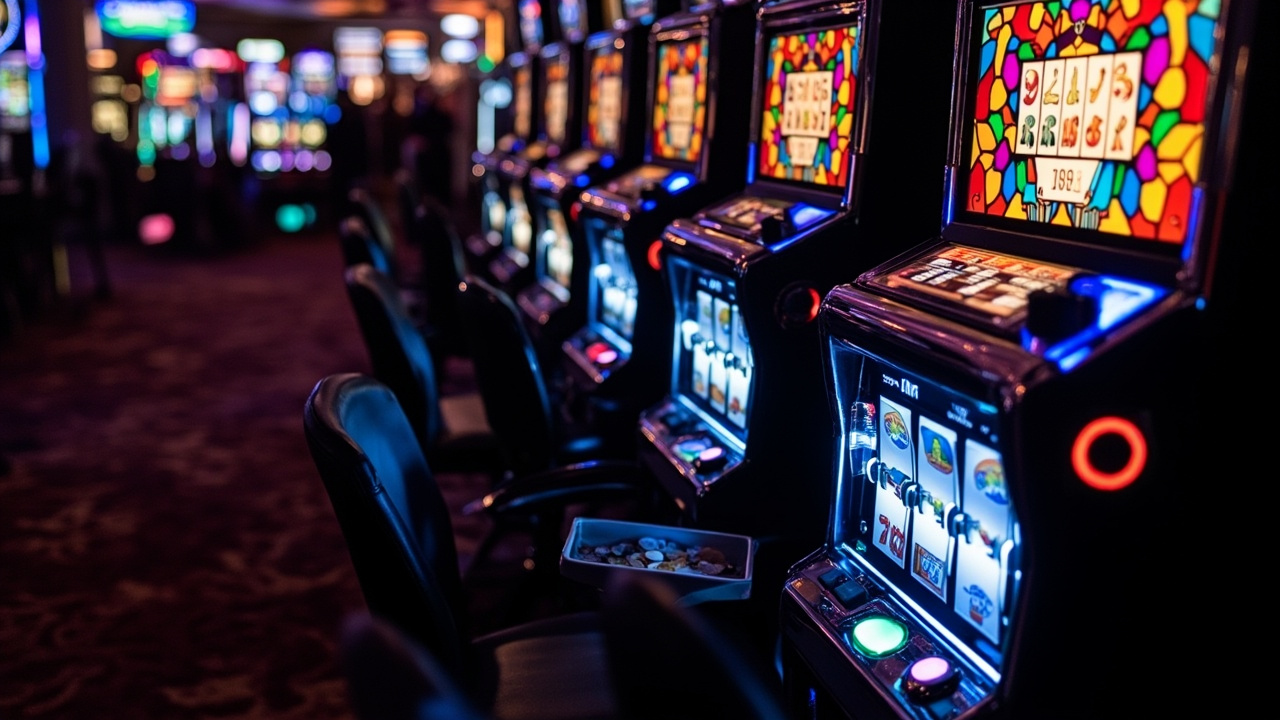
A knockout tournament in pokies usually runs on a ranked ladder where each round trims the field until a winner claims the prize pool. From a design angle, that matters because it compresses the reward curve into discrete checkpoints instead of stretching it across endless play. You can see the same thinking in how a well-tuned video slot stacks bonus triggers: the goal isn’t to pay out constantly, it’s to make the next meaningful moment feel close enough to chase. In a knockout bracket, the “next moment” is the next round, and that gives casual players a reason to stay for one more heat without demanding the same stamina as a marathon session. The trade-off is that the format rewards short, sharp bursts, so a slow-moving machine or a player chasing tiny returns can fall behind quickly. That’s not a flaw if the rules are clear – it’s a pacing choice.
What makes it work commercially is the visibility of progress. When players can see their position shift after each round, the experience feels more like a contest than a transaction, and that perception carries a lot of weight on a busy floor. A knockout ladder also rewards consistency over sheer luck in a single spin, which is why our site the best implementations pair the bracket with a transparent scoring method rather than a hidden multiplier. If the scoring is murky, the tournament starts to feel arbitrary, and the room loses its pulse. If it’s legible, even a short session can feel purposeful, because the player knows exactly what they’re trying to protect or extend.
For operators, the retention upside comes from the way a knockout format turns a single visit into a small narrative. People return to see if they can climb again, or to defend a spot they nearly held last time, and that repeat intent is harder to manufacture with a flat spin loop. The catch is that the format needs a steady cadence of entrants and rounds, otherwise the ladder feels hollow and the prize pool loses its pull. Done well, it creates a reason to come back that isn’t just “the reels are shiny” – it’s “I know what I’m trying to do next time.” royal reels australia
What Makes a Knockout Pokies Session Worth Returning To
The ongoing appeal of a knockout-style session usually lives in the details that repeat players notice after the first heat. Recurring promos that refresh the prize pool, a cashback line that softens a rough round, and a loyalty ladder that recognises consistent climbers all give the format a second life beyond the opening buzz. That’s the part I pay attention to when I’m reviewing a floor setup or a digital lobby: not whether the first round is loud, but whether there’s a reason to sit down again next week. A knockout bracket without follow-up rewards is just a one-off spectacle, and spectacles fade fast once the bracket resets.
Tournaments work best when they’re tied to a loyalty or VIP tier that recognises repeat participation, because that gives the format a memory. A player who finishes mid-table one week and climbs higher the next starts to feel invested, and that investment is what keeps a session from feeling disposable. Cashback can help too, but only if it’s framed as a soft landing rather than a promise of recovery – otherwise it starts to read like a consolation prize and undercuts the competitive tone. The strongest setups I’ve seen keep the knockout ladder honest while layering in modest recurring incentives that reward showing up, not just winning big.
Mobile play matters here more than people sometimes admit, because a knockout format is easiest to follow when you can check your position without being stuck at a machine. A clean mobile view that shows the bracket, the current round, and the prize pool at a glance keeps the experience legible between spins, and that legibility is part of what makes repeat play feel reasonable. Support also has a quiet role: when a round timing question or a scoring detail comes up, a quick, clear answer keeps the tournament feeling fair instead of frustrating. None of this needs to be flashy. It just needs to be consistent enough that a player trusts the next round will run the same way as the last.
How Volatility and Bankroll Fit a Short Bracket
A knockout format changes how you should think about volatility, because the scoring window is short and the field is trimmed fast. High-volatility pokies can still have a place in a bracket, but they tend to swing too hard for a player who needs a steady climb rather than one dramatic spike. Lower-volatility machines often suit the format better when the goal is to hold position across a few rounds, because they produce more regular, smaller outcomes that keep a player in the ladder instead of knocking them out on a single dry spell. That’s a design judgement, not a rule carved in stone, and it’s why the same tournament can feel very different depending on which machines sit where in the bracket.
Bankroll pacing matters for the same reason. In a knockout session, the smart move is usually to treat each round as a separate decision rather than stretching one stake across the whole ladder. That keeps the play readable and stops a bad heat from dragging the rest of the session down with it. If you’re comparing machines for a bracket, it helps to look at how they behave over a short sequence rather than over a long theoretical run, because the bracket rewards the short sequence. The table below is a rough way to think about that fit.
| Machine behaviour | How it tends to sit in a knockout bracket | What it asks of the player |
|---|---|---|
| Higher volatility | Can produce big moves, but swings are less predictable across rounds | Comfort with short swings and clear stop points |
| Lower volatility | Often steadier for holding position through several heats | Patience for smaller, more regular outcomes |
| Mixed pace | Can work if the bracket scoring rewards consistency | Attention to round timing and position tracking |
The list of practical checks is short, but it saves a lot of confusion once the rounds start moving. Confirm the scoring method before you commit, note whether the bracket rewards raw totals or position-based climbs, and decide in advance how many rounds you’re willing to ride before stepping back. That kind of discipline doesn’t ruin the fun; it keeps the format from becoming a blur.
How the Format Reads on a Wollongong Floor and Beyond
On a Wollongong floor, the knockout format tends to land because it matches the rhythm of a local session: a few focused heats, a bit of banter between rounds, and enough structure to keep the room from drifting. That’s not the same as promising a result, and it’s never a reason to treat the bracket like a shortcut to a payout. It’s just a way of organising play so the room has a shape, and shape is what keeps people engaged when the noise settles down. The same idea travels to a digital lobby, where the bracket needs to feel equally legible without the physical crowd around it.
A knockout ladder also depends on trust in the rules, which is why the presentation matters as much as the prize pool. If the round timing, scoring, and prize distribution are obvious, the format reads as fair even when a player misses the cut. If those details are buried, the whole thing starts to feel like a gimmick, and gimmicks don’t keep a floor busy for long. The better implementations I’ve watched keep the mechanics plain and let the competition do the work, because a clear contest is easier to return to than a clever one that never quite explains itself.
That brings me back to the arvo I watched unfold in Wollongong. The room wasn’t loudest when the early rounds were running; it was loudest when people realised the next heat still mattered and their position still had a shape. That’s the part a pokies knockout format explained really points to – not a guaranteed outcome, but a reason for the next round to feel worth sitting through. If the structure is honest and the follow-up rewards are real, the format earns its place by giving the session a pulse instead of just another spin.
Leave a Reply
You must be logged in to post a comment.